When your AC stops cooling, it does not always mean the system has a major problem. Sometimes the issue is something simple, like a thermostat setting, dirty filter, tripped breaker, or clogged drain line.
Before you schedule a repair, here are a few basic things you can check safely. These steps can help you rule out common problems and may get your system running again.
1. Check Your Thermostat
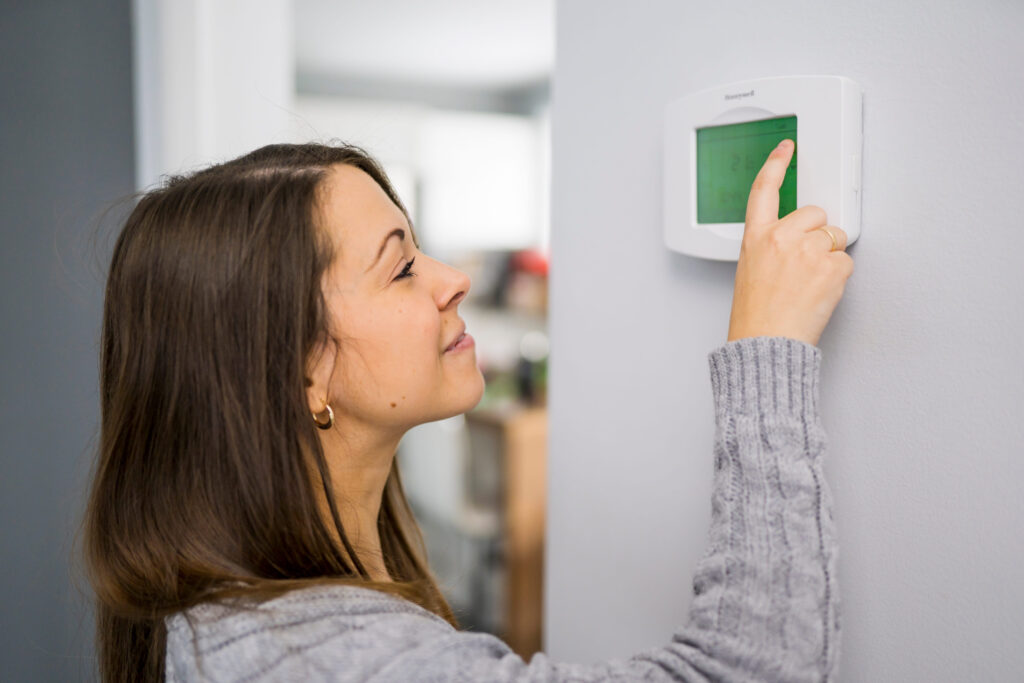
Start with the thermostat. This sounds obvious, but it is one of the first things an HVAC tech will check.
Make sure the thermostat is set to Cool, not Heat, Off, or Fan. Then check the temperature setting. The set temperature should be lower than the current room temperature.
For example, if your home is 78 degrees, try setting the thermostat to 72 or 73 degrees. This should tell the AC to turn on.
If the system does not respond, check whether the thermostat screen is blank or hard to read. Some thermostats use batteries, and weak batteries can stop the thermostat from properly communicating with the AC system.
2. Check Your Air Filter
A dirty air filter is one of the most common causes of weak cooling and poor airflow.
Your AC needs to pull air through the return vent, cool it, and send it back through the home. When the filter is clogged with dust, pet hair, or debris, the system has to work harder to move air.
That can lead to:
- Weak airflow from vents
- Rooms that do not cool evenly
- Longer run times
- Frozen coils
- Higher energy use
If the filter looks gray, dusty, or clogged, replace it. Most homes should change the filter every 1 to 3 months, depending on pets, dust, usage, and the type of filter.
3. Make Sure the Breaker Isn’t Tripped
If your AC is not turning on at all, check your electrical panel.
Look for the breaker labeled for the air conditioner, HVAC, condenser, or air handler. If the breaker is in the Off position or sitting between On and Off, it may have tripped.
You can reset it once by switching it fully Off, then back to On.
If it trips again, stop there and call an HVAC technician. A breaker that keeps tripping can point to an electrical problem, failing component, or overloaded circuit. Repeatedly resetting it can make the problem worse.
This step usually applies when the AC is not running at all. If your system is running but cooling poorly, the breaker is not the issue.
4. Inspect the Outdoor Unit
Your outdoor AC unit, also called the condenser, plays a major role in cooling your home.
When the system is running, check whether the fan on top of the outdoor unit is spinning. You should also hear the unit operating.
If the indoor system is running but the outdoor unit is not, your AC may blow warm or room-temperature air.
Also check the area around the unit. Leaves, grass clippings, dirt, branches, or storage items can block airflow. The outdoor unit needs room to breathe so it can release heat from your home.
Try to keep at least 1 to 2 feet of clear space around the unit. Do not cover it or stack anything against it.
5. Check the Drain Line
Your AC removes moisture from the air as it cools your home. That moisture drains through a condensate drain line, usually a white PVC pipe located near the indoor air handler.
If the drain line becomes clogged with algae, sludge, or debris, water can back up into the system. Many AC systems include a safety float switch that shuts the unit off when this happens to help prevent water damage.
Signs of a clogged drain line can include:
- Water around the indoor unit
- A full or overflowing drain pan
- The system shutting off unexpectedly
- Musty odors near the air handler
If your system is running, you may also notice little or no water dripping from the end of the drain line outside.
Before opening any access panels, turn off power to the system. Some homeowners may be able to clear a minor clog using a wet/dry vacuum at the outside drain line connection, but if water is already backing up or the system continues shutting off, the drain line should be inspected and cleared professionally.
6. Make Sure All Vents Are Open
Walk through the house and check your supply vents.
Closing vents may seem like a way to save energy, but it can create airflow and pressure problems within the system. Your AC system is designed to move a certain amount of air, and closing too many vents can restrict airflow.
That can contribute to:
- Uneven cooling
- Hot rooms
- Extra strain on the blower motor
- Reduced system efficiency
- Possible evaporator coil freezing
Open all vents fully, even in rooms you do not use often. If one area of the home still is not cooling properly, the issue may be related to ductwork, insulation, airflow balancing, or the HVAC system itself.
AC Running But Not Cooling? What Your Symptoms Mean
If you’ve worked through the checks above and the house still isn’t cooling, the specific symptom usually points to the cause.
The AC Is Running, but the Air Isn’t Cold
This is one of the most common calls we get. It’s usually caused by a dirty air filter restricting airflow, a frozen coil, low refrigerant, or an outdoor unit that isn’t running. If you see ice on the refrigerant lines or the indoor unit, turn the system off and let it thaw for a few hours before running it again. If it still blows warm air after that, it needs to be checked.
The AC Runs Constantly, but the House Won’t Get Cooler
A system that runs nonstop without bringing the temperature down may have poor airflow through the home, a dirty or blocked outdoor unit, a refrigerant problem, or duct leaks sending cool air into the attic. It can also be an aging system that can no longer keep up during peak summer heat.
The AC Turns On and Off Every Few Minutes
This is called short cycling. The system starts, runs briefly, and shuts off before the house is cool. Common causes include a clogged filter, an overheating system, a thermostat reading the wrong temperature, or a system that’s too large for the home. Short cycling also leaves too much humidity in the air.
Air Is Coming Out, but It Feels Weak
Weak airflow usually comes from a dirty filter, blocked or leaking ducts, or a blower fan or motor problem. In Florida’s heat, weak airflow quickly turns into a cooling problem, and it can lead to a frozen coil.
Water Around the Indoor Unit
Water near the air handler almost always means a clogged drain line. It’s extremely common in Clearwater because algae and buildup grow fast in humid conditions. Many systems shut off on their own to prevent water damage, which can look like the AC simply stopped cooling.
Why These Problems Show Up Faster in Clearwater
AC systems here deal with high humidity, almost year-round run times, and constant heat stress on electrical parts. That means small issues show up faster and get worse quicker if they’re ignored, which is why it pays to act on a cooling problem early.
When to Call Poulin Cooling
These quick checks can solve some basic AC problems, but they will not fix everything.
Call Poulin Cooling if:
- The breaker trips more than once
- The outdoor unit is not running
- The system is blowing warm air
- The drain line is clogged or leaking
- Airflow is weak even with a clean filter
- The AC runs constantly but does not cool the home
- You hear unusual buzzing, grinding, or rattling sounds
A small AC problem can turn into a more expensive repair if it is ignored. Regular AC maintenance can also help identify issues like clogged drain lines, dirty coils, and worn components before they lead to system shutdowns or costly repairs.
If your system still is not working after these checks, schedule service before the issue gets worse.
Learn more about Poulin Cooling’s AC maintenance plans and preventative service options.
Need AC repair? Reach out to Poulin Cooling here or call 727-252-9602.
Frequently Asked Questions
Why is my AC running but not cooling?
The most common causes are a dirty air filter, a frozen evaporator coil, an outdoor unit that isn’t running, a clogged drain line that triggered a safety shutoff, or low refrigerant from a leak. Start with the thermostat, filter, breaker, and outdoor unit checks above.
Should I turn off my AC if it’s not cooling?
If you see ice on the lines or the indoor unit, yes. Turn the system off and let it thaw for a few hours. Running a frozen system can damage the compressor. If there’s no ice, you can keep it running while you go through the basic checks.
How long should it take my AC to cool the house?
A healthy system typically lowers the temperature about 1 degree every 15–20 minutes, depending on the heat outside and your home’s insulation. If it runs for hours without making progress, schedule service.
Can a dirty filter really stop my AC from cooling?
Yes. A clogged filter restricts airflow, which can cause weak cooling, longer run times, and even a frozen coil. It’s the first thing to check and the easiest to fix.