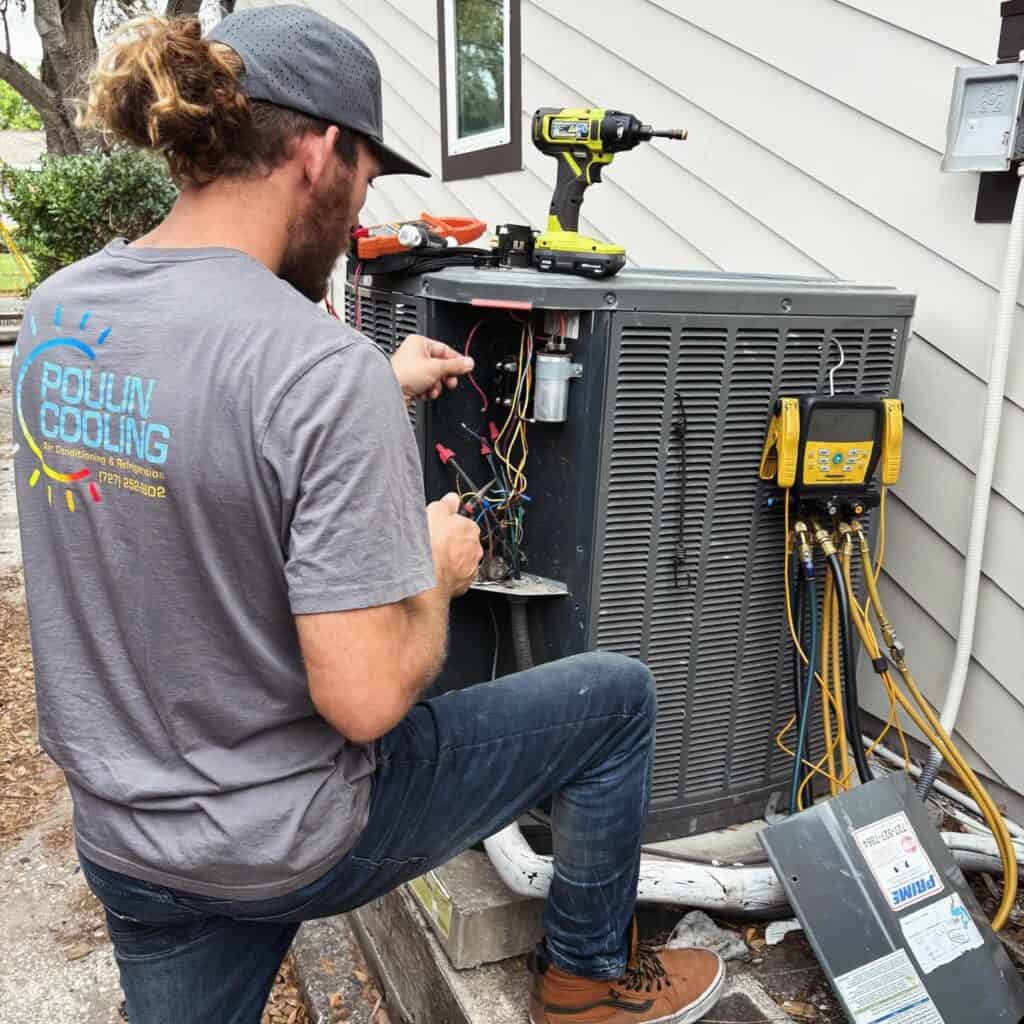
When homeowners schedule AC repairs, one common issue technicians look for is refrigerant leaks. Even a small leak can significantly reduce your system’s efficiency, cause higher energy bills, and lead to major damage if left untreated.
Professional HVAC technicians use specialized tools and proven diagnostic methods to locate leaks quickly and accurately. Understanding how this process works can help homeowners appreciate the value of routine AC Maintenance and professional service when problems arise.
Why Refrigerant Leaks Are a Serious Problem for Homeowners
Refrigerant is the substance that allows your air conditioning system to absorb heat from inside your home and release it outdoors. When a leak develops, the system loses its ability to cool efficiently.
Common signs of a refrigerant leak include:
- Reduced cooling performance
- Longer run times for your AC
- Higher electricity bills
- Frozen evaporator coils
- Hissing or bubbling noises near the system
→If these issues appear, professional AC repair is usually necessary to locate the leak and restore the proper refrigerant level. Call Poulin Cooling Today!
How Do You Check for Leaks in an AC Unit?
Step 1: Visual Inspection of the AC System
Before using specialized tools, experienced technicians typically begin with a thorough visual inspection of the entire system.
They check key components such as:
- Refrigerant lines
- Evaporator coils
- Condenser coils
- Line connections and fittings
- Service valves
In many cases, oil residue around a connection or coil can indicate where refrigerant has escaped. This initial inspection helps technicians narrow down the potential problem areas.
Step 2: Electronic Leak Detection Tools
One of the most common tools used during AC repair is an electronic refrigerant leak detector. These devices are designed to detect extremely small traces of refrigerant in the air.
How Electronic Leak Detectors Work
The technician moves the sensor slowly around areas where leaks are most likely to occur. If refrigerant is present, the device triggers an alarm or visual indicator.
- Benefits of electronic leak detectors include:
- Extremely sensitive detection
- Quick identification of small leaks
- Accurate results in complex systems
These tools help technicians pinpoint problems that may not be visible during a visual inspection.
Step 3: UV Dye Leak Detection (if needed)
Another method commonly used during professional AC maintenance or repair visits is UV dye testing.
How the UV Dye Method Works:
- A small amount of fluorescent dye is added to the refrigerant system.
- The system runs normally for a period of time.
- A technician uses a UV light to inspect the system.
If a leak exists, the dye will escape with the refrigerant and glow under ultraviolet light. This method makes it easier to identify leaks in difficult-to-see areas.
Step 4: Nitrogen Pressure Testing (more advanced)
In some situations, technicians perform a nitrogen pressure test to locate stubborn leaks.
During this process:
- The refrigerant is safely removed from the system.
- The lines are filled with pressurized nitrogen gas.
- The technician monitors pressure levels to see if the system holds pressure.
If pressure drops, it confirms that a leak is present. Additional tools can then be used to find the exact location.
This process is often used during new installations to verify that a system is sealed properly before operation.
Step 5: Soap Bubble Testing
Although modern tools are extremely effective, technicians sometimes use a simple but reliable method called bubble testing.
A specialized solution is applied to suspected leak areas. If refrigerant or gas is escaping, small bubbles will form, revealing the exact location of the leak.
This method is often used to confirm results from electronic detectors or pressure tests.
Proper Refrigerant Levels Are Vital for Your AC
Maintaining the correct refrigerant level is critical to the performance and longevity of your air conditioning system. When refrigerant levels are too low due to a leak, the system cannot absorb heat effectively, forcing the compressor to work harder and run longer cycles. On the other hand, too much refrigerant can create excessive pressure within the system, also placing unnecessary strain on key components.
In both cases, the compressor (one of the most expensive parts to repair or replace!) is at risk of premature failure. Operating outside of proper pressure levels can significantly reduce its lifespan and lead to costly breakdowns.
Studies have shown that a large percentage of air conditioning systems operate with incorrect refrigerant levels, either overcharged or undercharged. This not only increases energy consumption but also reduces overall system efficiency.
When AC Leaks May Lead to System Replacement
In some cases, especially with older systems, refrigerant leaks may indicate larger issues such as corrosion or failing components. When repairs become frequent, it may be more cost-effective to consider a new unit.
Modern HVAC systems are significantly more energy-efficient and can help reduce long-term operating costs.
If your system is struggling to maintain comfortable temperatures, a professional evaluation can help determine the best solution for your home.
Learn more about AC installation services and system upgrades.
Keep Your HVAC System Leak-Free
Refrigerant leaks can have a major impact on the performance and efficiency of your cooling system. Fortunately, modern diagnostic tools allow trained technicians to identify and repair leaks quickly.
Scheduling regular inspections and AC maintenance helps ensure your system continues operating safely and efficiently. Early detection can prevent costly damage and extend the life of your HVAC system.
Need Professional AC Repair?
If your air conditioner isn’t cooling properly or you suspect a refrigerant leak, professional service can help diagnose the issue quickly.
Poulin Cooling AC & Refrigeration provides expert AC repair, heating services, new AC installs, and AC maintenance throughout Clearwater & surrounding areas.
Call us at (727) 252-9602 or Contact us now to schedule service today.